Typical owner-financing terms on the North Coast
- Down payment: usually around 50%, sometimes 30–60%.
- Term: most often 2–5 years; a few sellers go longer.
- Interest: roughly 6–9% fixed on the listings we see.
- Terms are negotiable and vary by seller. Every deal needs its own attorney-drafted contract.
What is owner financing?
With owner financing (also called seller financing), the seller acts as the bank. You pay part of the price up front and the rest in installments to the seller over an agreed term, with interest. When a new-construction project offers the same thing, it's usually called developer financing.
It's common on the North Coast for a simple reason: Dominican bank mortgages exist, but foreign and non-resident buyers often face stricter requirements, more paperwork and higher down payments. Owner financing lets a buyer get into a property sooner, and lets a seller reach a wider pool of buyers.
The terms we're seeing in 2026
Looking across the listings on our site in September 2026, the most common offer is 50% down with the balance over 2 to 5 years, at interest rates roughly between 6% and 9%. A few examples of real terms currently being offered:
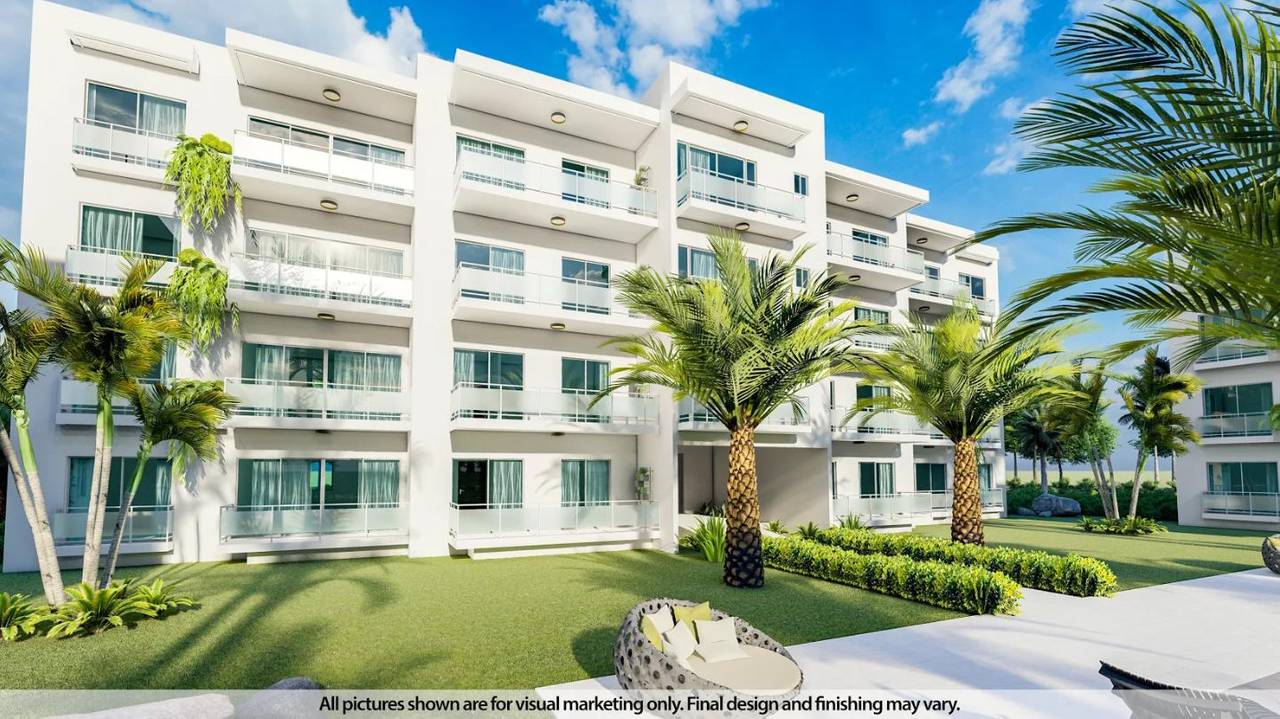
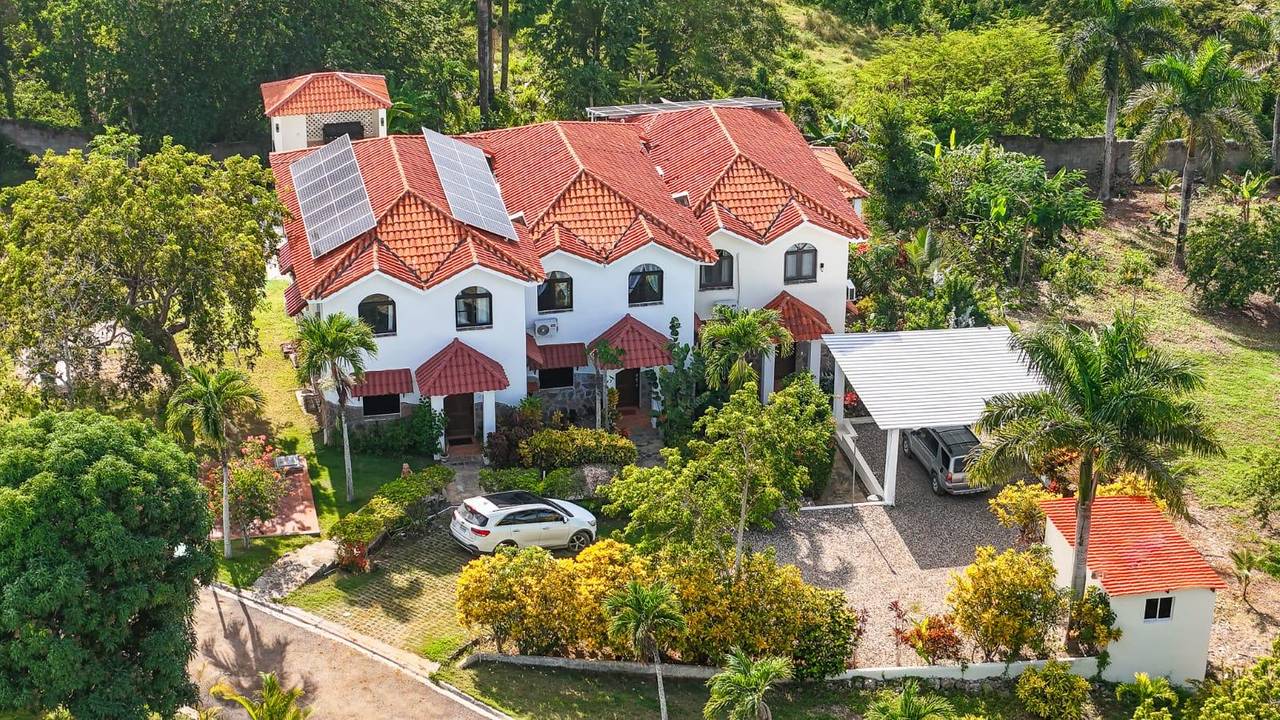
- 50% down, 5 years at 8% on hillside villas in Sosúa
- 5-year financing at 6.5% fixed on condos in Sosúa Ocean Village
- Up to 3 years at 6% on villas in Sosúa Ocean Village
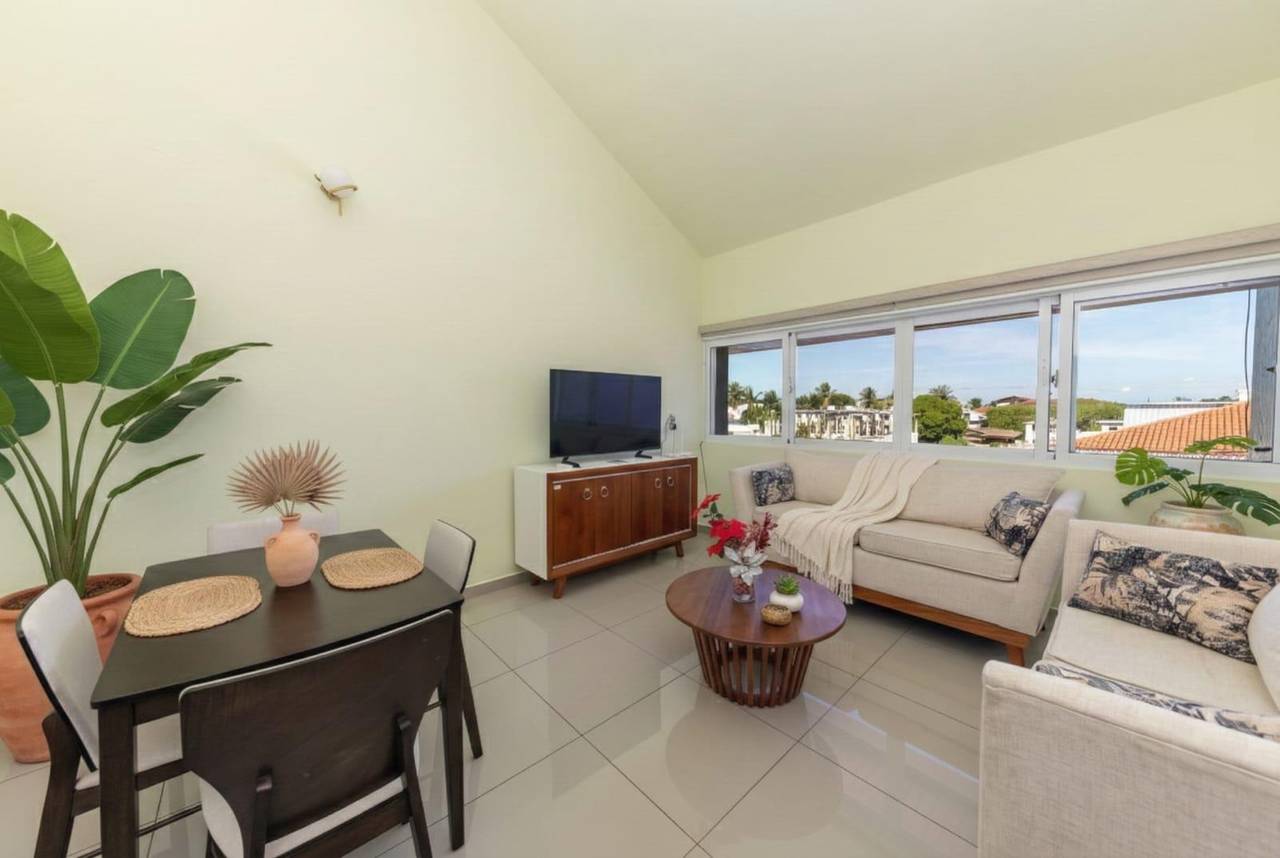
- 30% down over a 15-year term on an ocean-view condo in Hispaniola
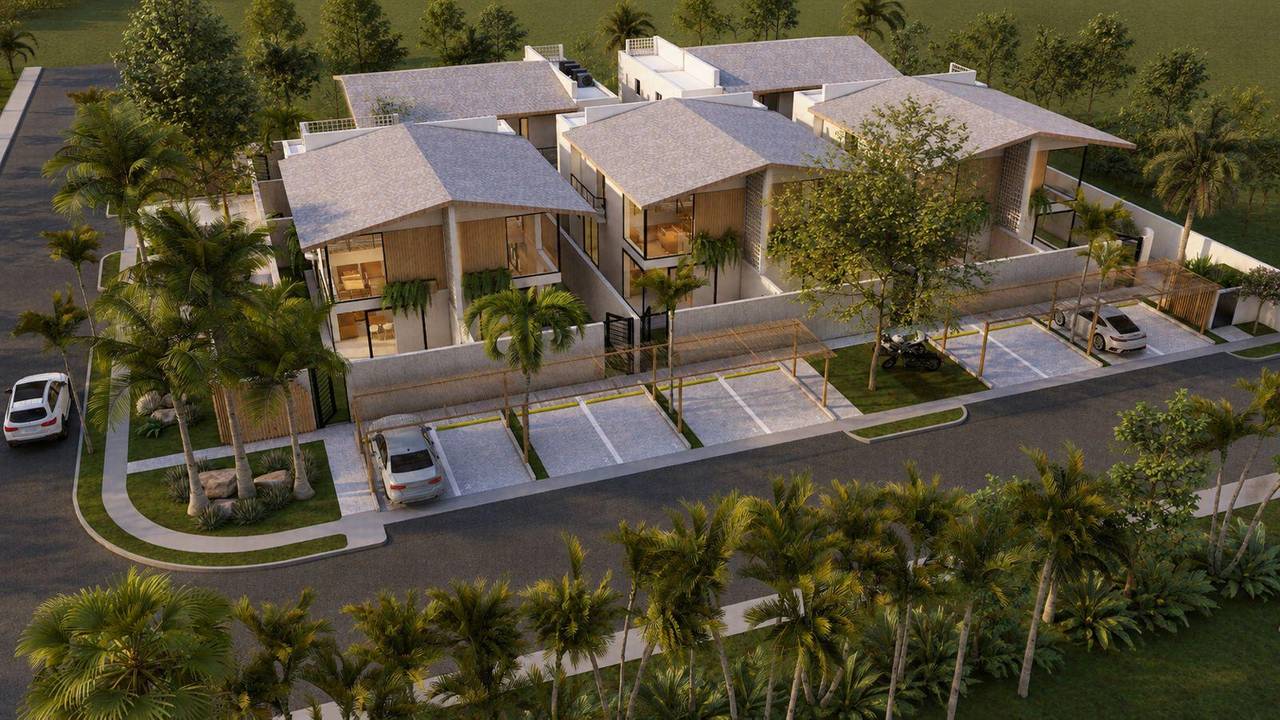
- 50% down with 2-year developer financing on new villas in Sosúa
You'll find the current owner-financed listings further down this page, updated automatically as properties come and go.
How owner financing is usually structured
There are two common approaches, and the difference matters a lot to your protection:
1. Title stays with the seller until you finish paying
You sign a Promise of Sale with an installment schedule and the seller transfers the title once the final payment is made. It's simpler, but you're exposed while the title is still in the seller's name: to their creditors, to problems with their estate, or to a dispute. If you go this route, your attorney should look at every available protection, such as whether the agreement can be formally registered.
2. Title transfers now, with a mortgage in the seller's favor
The property is registered in your name at closing, and a mortgage (hipoteca) securing the unpaid balance is registered in favor of the seller. This is generally the stronger position for the buyer, since you own the property from day one. It involves more registration cost and paperwork, and not every seller agrees to it.
What to put in the contract
Whatever the structure, have your own attorney draft or review the agreement and make sure it answers these questions clearly:
- The exact payment schedule, currency and interest rate
- What happens if you pay late, and how much grace you get before default
- What happens to the money you've already paid if the deal falls apart
- Whether you can pay the balance off early without a penalty
- Who pays IPI, HOA fees, insurance and maintenance during the term (normally the buyer)
- Whether you can move in, renovate or rent the property out before the final payment
- How the seller will prove the title is clean, and what they're allowed to do with it during the term
Owner financing vs. a bank mortgage
Owner financing is usually faster and more flexible, with less paperwork. You can often close in weeks instead of months, and approval depends on the seller rather than a bank's lending criteria. The trade-offs are a larger down payment, a short term that can mean big installments or a lump-sum balloon at the end, and pricing that sometimes reflects the convenience. A bank mortgage may offer a longer term, but expect stricter qualification as a non-resident. Many buyers use owner financing as a bridge, then refinance or pay off the balance once they've sold a property at home.
Owner financing doesn't change your closing costs. You'll still budget for the transfer tax and legal fees. And the usual due-diligence checks matter even more when you'll be paying a seller over several years.
Frequently asked questions
Is owner financing common in the Dominican Republic?
Yes, especially on the North Coast. Many sellers in Sosúa and Cabarete offer to finance part of the price, and developers often offer payment plans on new construction.
How much down payment do I need for owner financing?
Around 50% is the most common requirement, though some sellers accept 30% and others ask for 60%. The down payment, term and interest rate are all negotiable.
What interest rate do sellers charge?
On the owner-financed listings we see in 2026, rates are roughly 6–9% fixed, with terms usually between 2 and 5 years. Some sellers offer longer terms.
Is owner financing safe for the buyer?
It can be, if it's properly structured. Use your own attorney, do full title due diligence, and where possible have the title transferred to you with a registered mortgage in the seller's favor rather than leaving the title in the seller's name until the final payment.
Can foreigners use owner financing?
Yes. Owner financing is often more accessible to foreign buyers than a Dominican bank mortgage, because approval depends on the seller rather than bank lending criteria for non-residents.
This page is general information for buyers, current to the best of our knowledge as of September 2026. It is not legal, tax, immigration or financial advice. Dominican laws, tax thresholds and procedures change, so confirm the details of your own purchase with an independent Dominican attorney and a qualified tax advisor.