Why buyers choose Puerto Plata
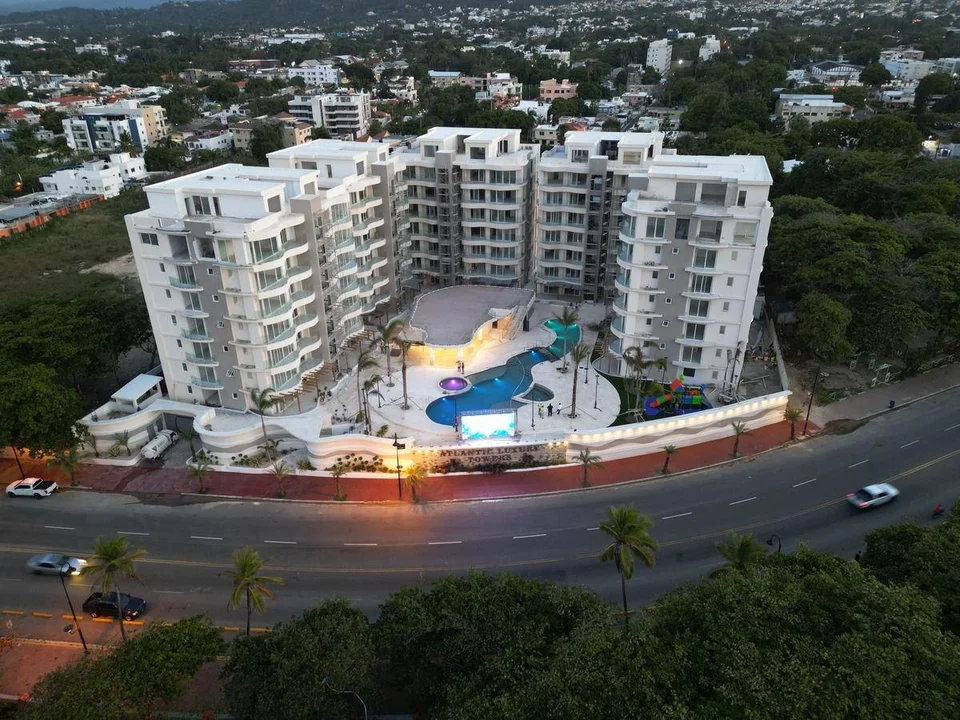
Puerto Plata is a real Dominican city: a historic centre with Victorian-era architecture, a seafront Malecón, the cable car up Mount Isabel de Torres, and the North Coast's main hospitals, banks, government services and large supermarkets. For full-time residents who want everything close by, and for buyers who want more space for their money, it's often the practical choice.
Areas to know
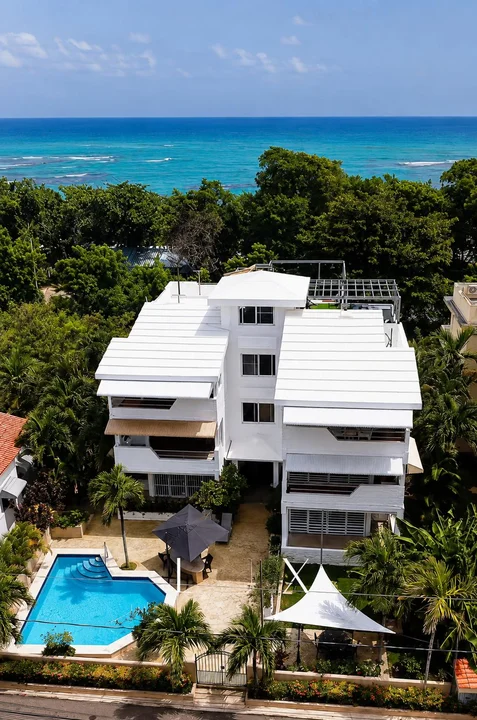
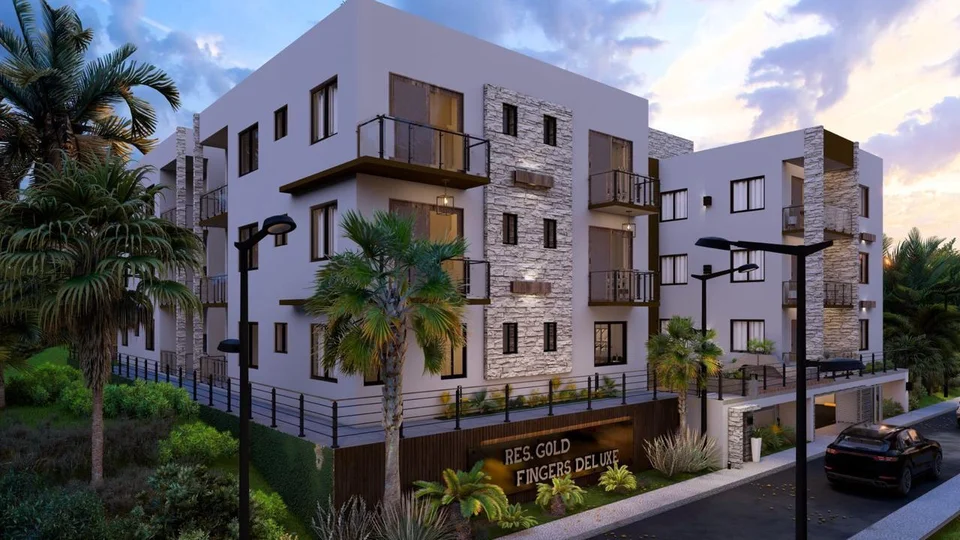
- Costambar: a gated community on the beach just west of the city, with condos and villas and a quieter, residential feel. It's the first place most beach-focused buyers look.
- Cofresí: west of Costambar, with hillside villas and condos close to the beach, many with ocean views.
- Playa Dorada: the resort and golf area east of the city, with condos and villas near the beach and the course.
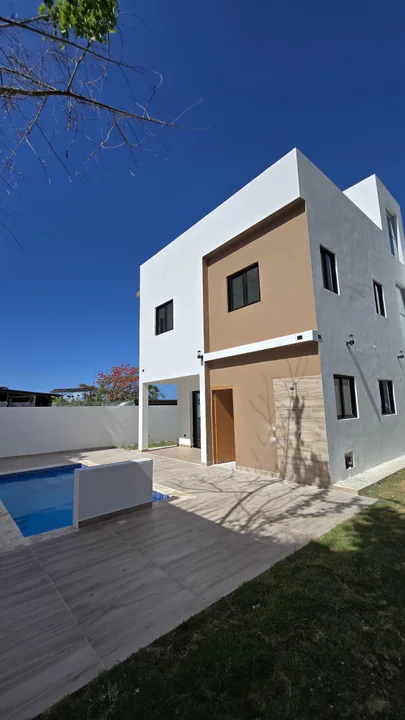
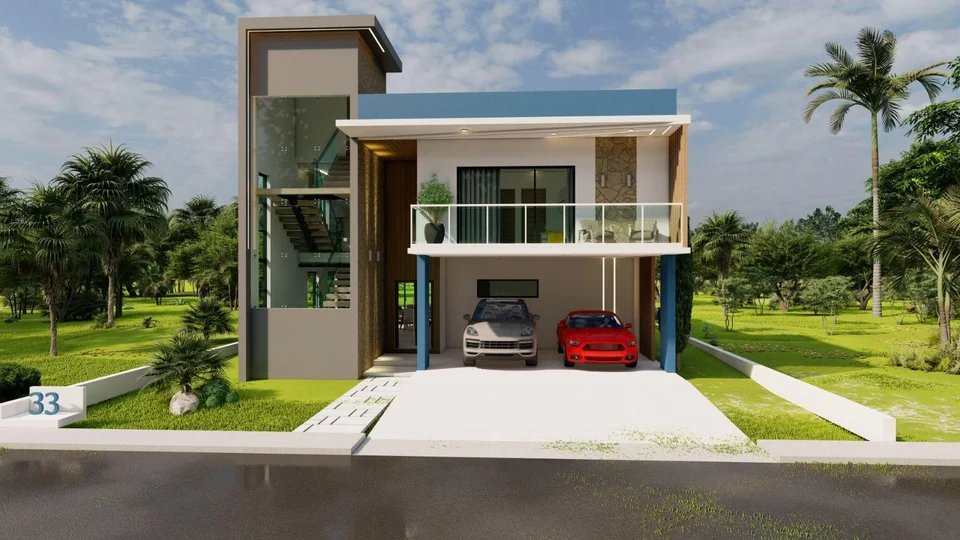
- Gated neighbourhoods in the city: communities such as Torre Alta, with modern family homes close to schools, clinics and shopping. Popular with full-time residents and Dominican families.
- The historic centre and Malecón: older homes and apartments within walking distance of the seafront, restaurants and services.
- Inland toward Imbert: lower-cost land and lots for buyers planning to build.
Living in Puerto Plata
Puerto Plata works well as a full-time base. Day-to-day life is easier than in the beach towns: private clinics and hospitals, international banks, large supermarkets, hardware and furniture stores, and government offices are all in the city. The Malecón runs along the seafront for walking and evening drives, and the old town has restaurants and cafés around Independence Park.
Getting in and out is simple too. Gregorio Luperón International Airport (POP) is about 20 minutes east of the city, with direct flights to Canada and the United States. The cruise ports at Amber Cove and Taíno Bay also bring a steady flow of visitors through the area.
What you can buy
Expect more house for the money than in Sosúa or Cabarete, especially for family homes in gated city neighbourhoods. Beach-oriented buyers usually look at Costambar. Rental demand is more seasonal and more tied to long stays than in Cabarete, so run your numbers conservatively if income is the goal.
Before you buy in Puerto Plata
- Closing costs: budget roughly 4–5% on top of the price, mainly the 3% transfer tax and legal fees. Full cost breakdown.
- Annual property tax (IPI): 1% of the value above RD$10,695,494 (2026 threshold). Many condos and smaller villas fall below it and pay nothing.
- Buying as a foreigner: you can own titled property in your own name, with no residency required. How the process works.
- Financing: many sellers offer owner financing, most often around 50% down over 2–5 years. Typical terms.
Frequently asked questions
Is Puerto Plata cheaper than Sosúa?
Generally yes, per square metre, particularly for family homes in the city's gated neighbourhoods. Beachfront areas such as Costambar are priced closer to the rest of the coast.
Where is Costambar?
Costambar is a gated beach community just west of Puerto Plata city, with condos and villas.
Does Puerto Plata have hospitals and international services?
Yes. As the provincial capital, Puerto Plata has the North Coast's main hospitals, banks, government offices and large supermarkets.
Can foreigners buy property in Puerto Plata?
Yes. Foreign buyers can own titled property in the Dominican Republic in their own name, with generally the same rights as Dominican citizens, and no residency is required. Use an independent attorney for due diligence.
How far is Puerto Plata from Sosúa and Cabarete?
Sosúa is roughly 30 minutes east by car and Cabarete about 45 minutes, with Puerto Plata's international airport (POP) in between. Many residents live in one town and use the others for beaches, shopping or services.
What are the closing costs when buying in Puerto Plata?
Plan on roughly 4–5% of the purchase price on top of the price itself. The largest items are the 3% property transfer tax, normally paid by the buyer, and attorney fees of around 1–1.5%, plus smaller registration and certification costs. Our closing costs guide has a worked example.
Is there an annual property tax in Puerto Plata?
Yes, the IPI. For individuals in 2026 it is 1% of the amount by which your total Dominican real estate exceeds RD$10,695,494, paid in two installments a year. Many condos and smaller villas fall below the threshold and owe nothing. See how IPI is calculated.
Can I get financing to buy in Puerto Plata?
Often, yes. Owner financing is common on the North Coast, most often around 50% down with the balance over 2 to 5 years at roughly 6–9% interest, and many developers offer payment plans on new construction. Bank mortgages exist but are harder for non-residents. See how owner financing works.
Can I rent out my property in Puerto Plata when I'm not using it?
Usually, but check before you buy. Each gated community and condo building sets its own rules, and some restrict or ban short-term rentals. Get the HOA rules in writing, ask for real booking history rather than projections, and budget for property management and tax on rental income.
Are there tax-exempt CONFOTUR properties in Puerto Plata?
Some newer developments on the North Coast have CONFOTUR approval, which can exempt buyers from the 3% transfer tax and the annual IPI for the remaining years of the project's exemption period. It is granted project by project, so always ask to see the approval. How CONFOTUR works.